An incorrect price appears in a downstream application. The data appears valid, yet the result is incorrect. Was the issue caused by the market data vendor, a validation rule, a […]
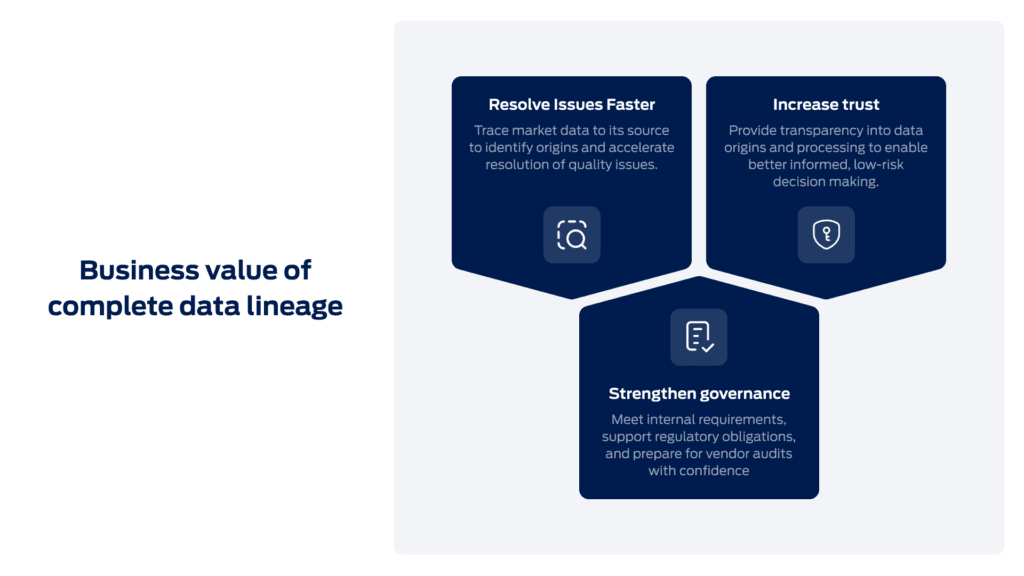

An incorrect price appears in a downstream application. The data appears valid, yet the result is incorrect. Was the issue caused by the market data vendor, a validation rule, a […]
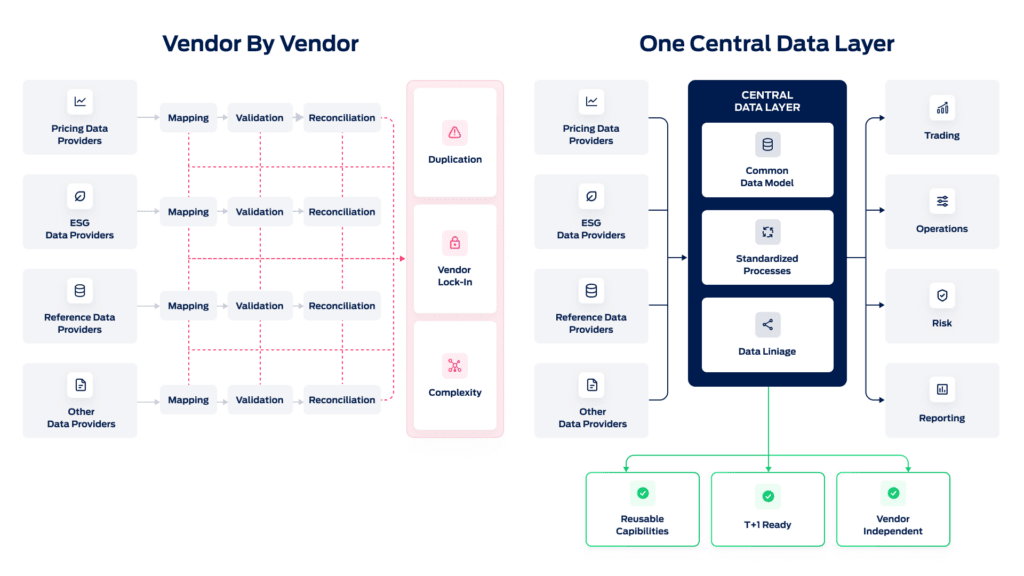
Across the financial industry, institutions are investing in initiatives to modernise how market data is managed and distributed across the organisation, helping to accelerate operational processing. As T+1 settlement shortens […]
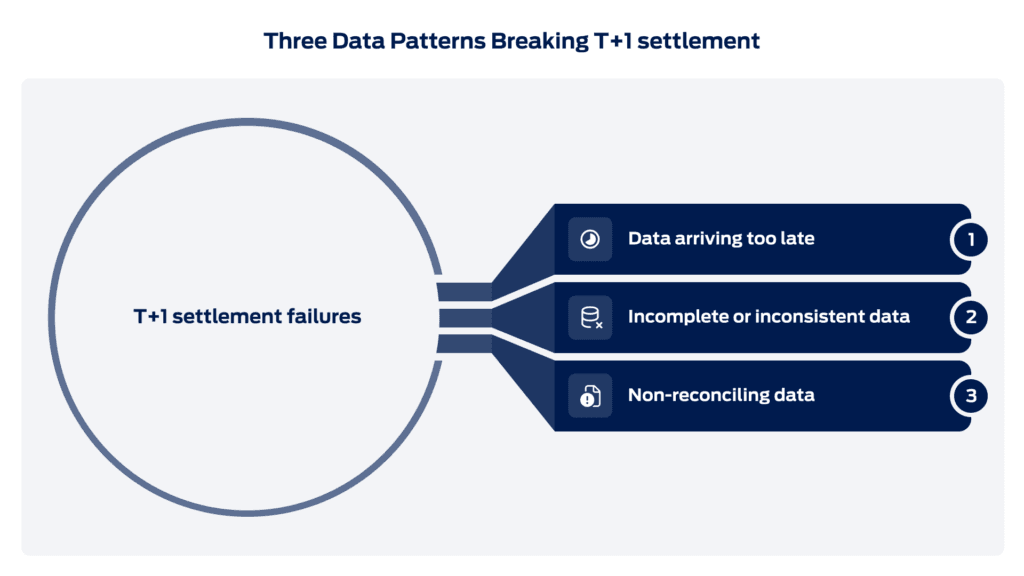
T+1 settlement is often discussed in terms of timelines, coordination and infrastructure, with a focus on whether systems can process trades more quickly and operate within a shorter settlement cycle. […]
The structural challenge in multi-vendor market data environments Most banks operate with multiple market data vendors, driven by coverage requirements, legacy decisions, and the fact that no single market data […]
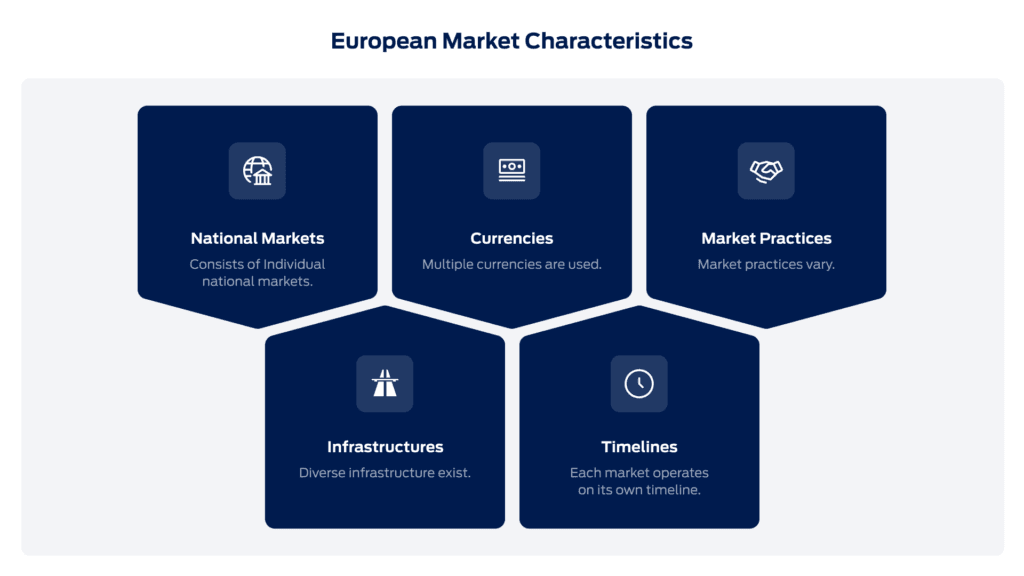
Across global financial markets, settlement cycles are shortening. The United States moved to T+1 settlement in 2024, and Europe is preparing for the same transition on 11 October 2027. The […]

T+1 settlement is moving from policy debate to day-to-day delivery. In markets where it is already live, the change has proved manageable but has also made operational weak points harder […]

Extending GraphQL in the BIQH Market Data Platform In previous articles, we discussed the flexibility of the BIQH Market Data Platform and how our user interface supports configuration and control. […]
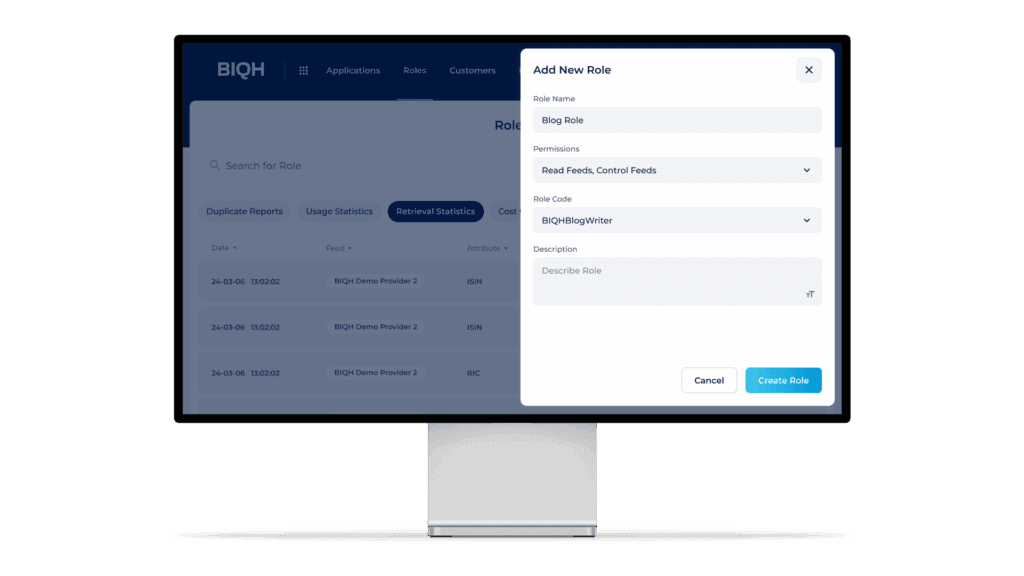
In life, you play many roles: colleague, football coach, or parent. But in software, there used to be only one role that mattered: user, or better still, superuser. For a […]

You pay for market data, but who actually uses it? We all know the feeling. You’re scrolling through your banking app and spot a charge for a gym membership you […]
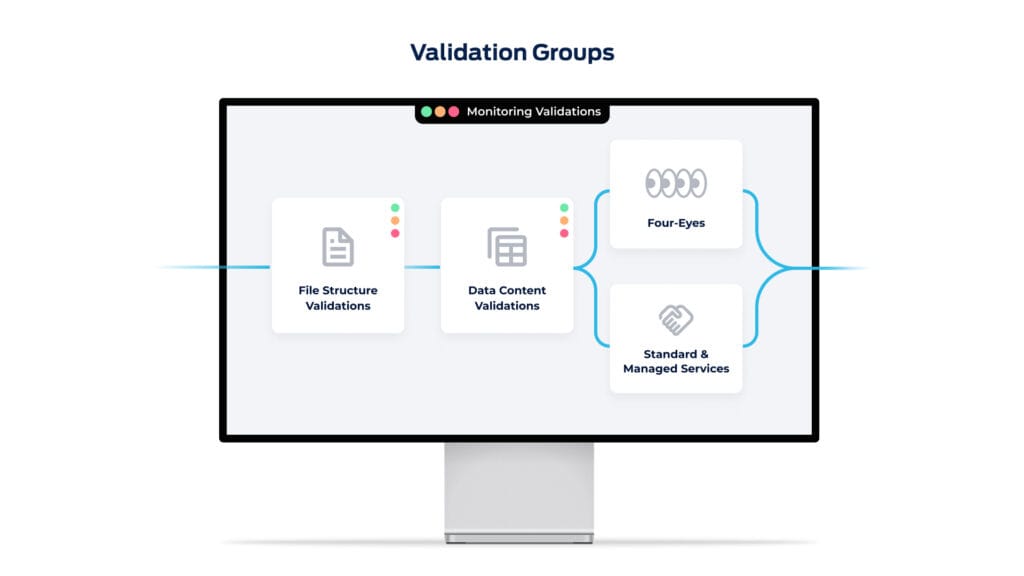
1. What is a validation and why is it important? A validation is a defined check that confirms whether incoming market data complies with agreed rules before being used by […]